
The Nature of Luck in Gambling
Luck is often viewed as a whimsical force, an unpredictable element that can swing the outcomes of games at a casino dramatically. In the context of gambling, luck embodies the serendipitous moments during high-stakes plays, where a player’s fate hinges on mere chance. For instance, in games like roulette or slots, the results are determined by random number generators or spinning wheels, meaning that no skill can guarantee a win. Players seeking an edge in this unpredictable landscape might explore a secure online casino with fast withdrawal options to enhance their experience, but this fundamental randomness creates a unique environment where players must acknowledge that despite their strategies, luck reigns supreme.
Moreover, the notion of luck in gambling transcends individual games. Across various casino offerings, from table games to electronic slots, chance dictates who walks away as a winner. Players might spend hours developing strategies to enhance their odds, but the crucial understanding is that luck can change every second. One might encounter a hot streak where luck is on their side, or conversely, a dry spell where wins are elusive. Recognizing this duality is key for anyone hoping to succeed in such an unpredictable environment.
Additionally, luck is not just a one-time event in a game; it can be cumulative over time. Regular players often experience phases of good and bad luck that can significantly impact their overall casino success. For example, someone may hit multiple jackpots in a short time, leading to a perception of favorable luck, which can enhance their confidence and willingness to play more. However, this feeling can also be deceptive, as players might mistakenly believe they have control over their winning streaks. Ultimately, this perpetuates a cycle that illustrates the unpredictable nature of luck in casinos.
The Psychological Aspect of Luck
The psychological impact of luck cannot be underestimated in the casino landscape. Players often form emotional attachments to their games, and their beliefs about luck can influence their decision-making processes. For instance, some players may carry personal charms or engage in rituals, convinced that these practices enhance their luck. This psychological phenomenon showcases how belief in luck can boost a player’s confidence, potentially affecting their gameplay positively, regardless of the actual odds.
Moreover, the way players perceive luck can have a profound effect on their gambling behavior. A winning streak fueled by a series of fortunate events can lead to riskier betting behaviors. Conversely, a prolonged losing streak may cause a player to reassess their approach or even abstain from gambling altogether. This relationship between luck and psychology illustrates that while luck is inherently random, its perceived value can shape players’ experiences and their overall success in the casino.

The casino atmosphere itself can also amplify emotions linked to luck. The sounds of spinning wheels, the flashing lights of slots, and the cheers of winners create an exhilarating environment where players often feel buoyed by luck. This ambiance can lead to escapism, where players immerse themselves in the thrill of potentially striking it rich. However, this can also lead to problematic gambling behaviors, where the hope tied to luck overshadows responsible gambling practices. Understanding these psychological dimensions of luck is essential for anyone engaging in casino activities.
The Role of Strategy versus Luck
In the realm of casino games, a debate often arises regarding the role of strategy versus luck. While skill-based games like poker allow for strategic play, the element of luck remains a critical factor that can affect the outcome of any session. For example, even the most skilled poker players cannot predict how the cards will fall, illustrating that luck can always intervene, regardless of tactical prowess. This uncertainty makes the interplay between strategy and luck an ongoing, dynamic factor in casino success.
Players may dive deep into strategies that promote optimal plays; however, the unpredictability of luck can undermine even the best-laid plans. Consider blackjack, where players use strategy charts to make decisions based on probabilities. Even with correct strategic choices, a player can hit a string of bad luck and lose to something as simple as the dealer’s strong hand. This unpredictability emphasizes the need for players to embrace both strategy and luck, understanding that they must adapt their approach with shifting fortunes.
Ultimately, the best players in a casino recognize that relying solely on luck is a precarious path. While strategies can enhance a player’s odds, there should always be an acknowledgment that luck is an omnipresent factor. Successful gamblers often cultivate a balance between sound strategies and an acceptance of luck’s role, allowing them to navigate the highs and lows of casino gaming effectively. This balance can lead to a more enjoyable experience and a healthier attitude toward gambling.
The Influence of Casino Environment on Luck
The environment of a casino can influence a player’s experience of luck significantly. Casinos are designed to create an immersive atmosphere that promotes excitement, and this can affect how individuals perceive their fortunes. The layout, lighting, sounds, and even the scents can engage players on multiple sensory levels, enhancing the feeling of luck. For instance, the elaborate decorations and celebratory atmospheres during special events can amplify the excitement, making players feel as if they are in a lucky space.
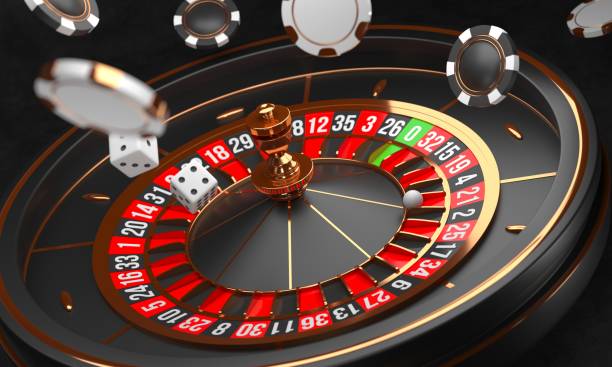
Furthermore, social aspects within casinos can play a role in shaping perceptions of luck. People often gather around successful players, creating a sense of community that can elevate one’s belief in shared luck. Witnessing others hit jackpots or win hands can instill hope and foster a feeling that luck is tangible in the environment. This social energy can create a cascade effect, where one person’s luck seems to spill over into the experiences of others, reinforcing the belief in a lucky atmosphere.
However, these influences can have a double-edged effect. While a vibrant environment can enhance the feeling of luck, it may also lead to overconfidence or reckless behavior. Players drawn by the allure of a “lucky” casino atmosphere may chase losses or engage in unplanned betting sprees. Recognizing how the casino environment can manipulate perceptions of luck is crucial for maintaining responsible gambling practices and ensuring that the experience remains enjoyable rather than detrimental.
Understanding Luck and Responsible Gambling
Understanding the role of luck in casino games is essential for promoting responsible gambling practices. Many people enter casinos hoping to strike it rich, but it is crucial to recognize that luck is an unpredictable force. This understanding can help players set realistic expectations for their gambling activities. By acknowledging that luck will play a role in the outcomes, players are more likely to approach gaming with caution and mindfulness, minimizing the risk of chasing losses or gambling beyond their means.
Players should educate themselves about the odds of each casino game and understand how luck factors into those equations. This knowledge empowers individuals to make informed decisions rather than relying solely on irrational beliefs in luck. For instance, knowing the house edge in various games can help players gauge their likelihood of winning and establish appropriate betting limits. Armed with this knowledge, players can gamble responsibly, ensuring that they focus on entertainment rather than financial gain.
Ultimately, it is essential for players to cultivate a healthy relationship with luck and gambling. This involves recognizing the exhilaration that luck can bring while balancing it with personal responsibility. Players who understand and respect the role of luck are often more prepared to manage their emotions during both winning and losing sessions. As a result, their gaming experiences can be more enjoyable and sustainable, promoting a long-term appreciation for the thrill of gambling.
